 Orchards Near Me
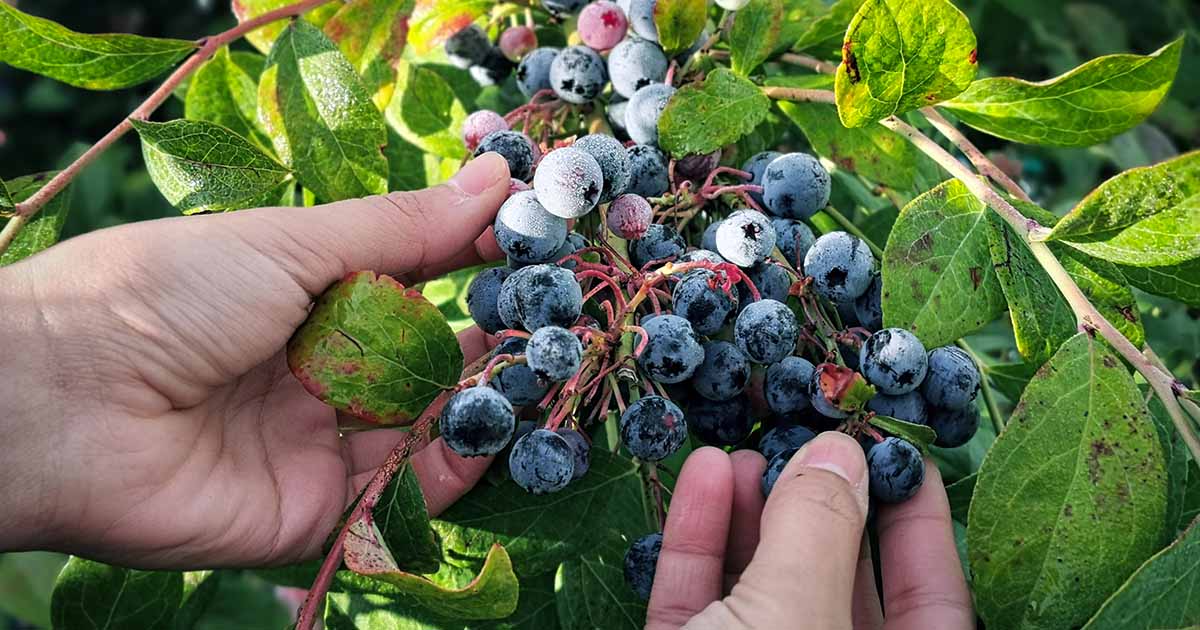
Taste Profile
Toro combines good sweetness with notably firm flesh and large berry size, making it a favorite among growers who want a sweet-tasting blueberry that still ships and stores well. Its firmness sets it apart from other sweet varieties that tend to sacrifice texture for flavor.
History of Toro Blueberries
Toro was developed by the USDA and the New Jersey Agricultural Experiment Station and released in 1987, bred to combine large berry size and good sweet flavor with the kind of firmness that commercial growers need for shipping and shelf life. It became a popular commercial variety specifically because it didn't force growers to choose between good flavor and good firmness the way some earlier varieties did.
Season and Availability
Toro ripens in the early-to-mid season window, typically from late June through July, arriving around the same time as Bluecrop and shortly after the earliest varieties like Duke and Spartan. Its timing and firmness make it a strong mid-season commercial performer.
Nutritional Value
A cup of Toro blueberries delivers standard highbush blueberry nutrition, roughly 84 calories, 21 grams of carbohydrates, and 3.6 grams of fiber, plus the antioxidant-rich anthocyanins found throughout the blueberry family, packaged in large, firm, sweet berries.
Best Uses for Toro Blueberries
Toro's combination of sweetness and firmness makes it excellent for fresh eating, since it holds its shape and texture well while still delivering good flavor. It also performs well in baking, where its firmness resists turning mushy, and its large size makes it popular for fresh fruit displays and platters.
Where Toro Blueberries Are Grown Today
Toro is grown widely across Oregon, Washington, Michigan, and New Jersey, valued by commercial growers for its dependable combination of good flavor, large size, and shipping-friendly firmness. It requires the same acidic, well-drained soil and winter chilling as other Northern highbush varieties and is known for a vigorous, upright growth habit.
How Toro Compares to Other Blueberry Varieties
Toro's firmness rivals Duke's, while its flavor is noticeably sweeter, making it something of a best-of-both-worlds variety among Northern highbush types. Compared to Chandler, another large-berried variety, Toro holds its shape better and ships more reliably, though Chandler's berries can grow even larger.
Pollination Needs for Toro
Like most Northern highbush blueberries, Toro is self-fertile and can produce a crop entirely on its own, but planting it alongside a second highbush variety with an overlapping bloom time reliably improves fruit set, average berry size, and overall yield through cross-pollination. Bees and other pollinators do the actual work of moving pollen between bushes, so a home garden or orchard block with at least two different highbush varieties blooming together tends to noticeably outperform a single-variety planting, even though Toro doesn't strictly require a partner to fruit.
How to Choose and Store Toro Blueberries
Choose Toro blueberries that are plump and firm with a visible natural bloom, avoiding any that look shriveled or show soft spots. Store them unwashed in the refrigerator, where they'll keep for 1 to 2 weeks, and rinse only right before eating. For a full breakdown of blueberry storage, see our guide on how to store fresh picked blueberries, and if you're ever unsure whether blueberries have gone bad, check our guide on how to tell if blueberries are bad.
Frequently Asked Questions
What does a Toro blueberry taste like?
Toro has a good sweet flavor with notably firm flesh and large berries, combining sweetness with excellent shipping and storage qualities.
When is Toro blueberry season?
Toro ripens early-to-mid season, typically from late June through July.
Where did the Toro blueberry come from?
Toro was developed by the USDA and the New Jersey Agricultural Experiment Station and released in 1987.
Is Toro a good all-purpose blueberry?
Yes, its combination of sweetness and firmness makes it strong for fresh eating, baking, and display alike.
Where is Toro grown today?
Toro is grown widely across Oregon, Washington, Michigan, and New Jersey.
How does Toro compare to Chandler?
Toro holds its shape and ships better, though Chandler produces even larger individual berries.
How many Toro bushes should I plant?
One Toro bush can produce fruit on its own, but planting a second variety with an overlapping bloom time improves fruit set and yield through cross-pollination.
Is Toro a good choice for home gardeners?
Yes, Toro is a solid choice for home gardens, producing fruit reliably on its own while benefiting from a second variety planted nearby for improved yield.
What type of blueberry is Toro?
Toro is a Northern highbush blueberry, the most widely cultivated type in North America, bred from wild highbush blueberries native to the Eastern United States and adapted to regions with real winter cold. Northern highbush varieties generally need a substantial number of winter chill hours to break dormancy and fruit properly the following year, which is why they're grown throughout the Northeast, Midwest, and Pacific Northwest rather than in mild-winter climates.
Can Toro be grown in a container?
Yes, Toro can be grown in a large container with acidic potting mix, though it will need more frequent watering than an in-ground planting and a pot roomy enough for its root system to mature.