 Orchards Near Me
How to Tell If Blueberries Are Bad
You can tell blueberries have gone bad by shriveled or wrinkled skin, a mushy texture, visible white or gray mold, and a sour smell replacing their normal mild, sweet scent. Blueberries hold up better than most berries, but once they start to turn, the signs are fairly easy to spot if you know what to look for.
| Sign | Still Fine | Time to Toss |
|---|---|---|
| Skin | Smooth, plump, with a natural whitish bloom | Wrinkled, shriveled, or split skin |
| Texture | Firm with a slight snap | Mushy or watery |
| Surface | Dry surface | Visible mold or leaking juice staining the container |
| Smell | Mild, slightly sweet scent | Sour or fermented smell |
Visual Signs of Spoilage
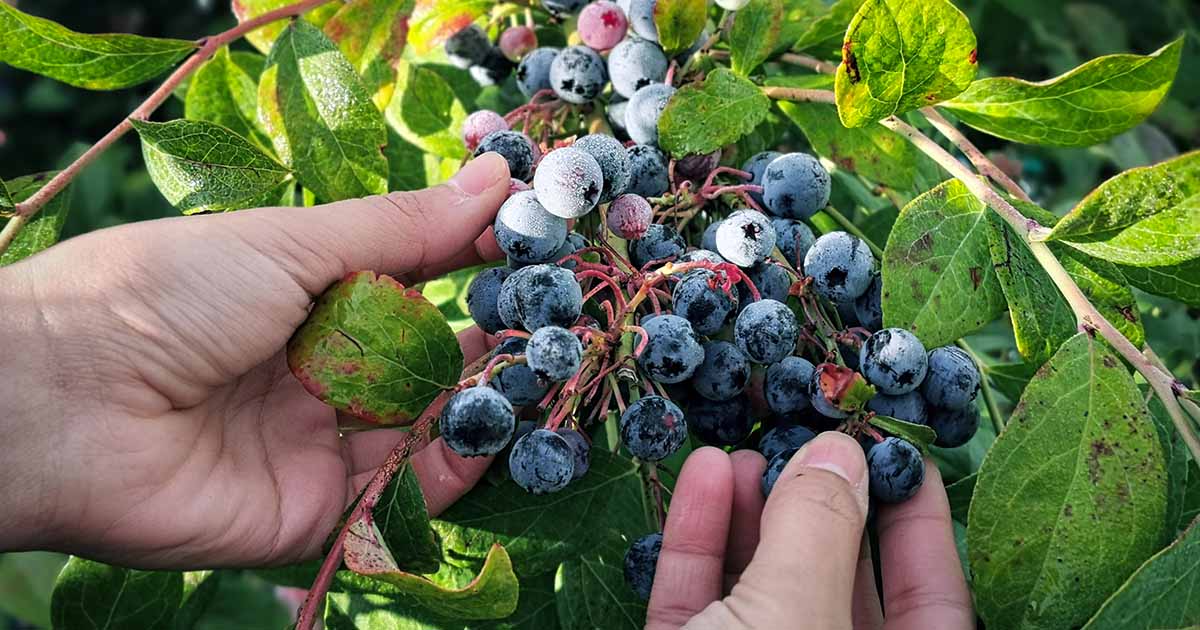
Fresh blueberries are plump and firm with smooth, taut skin, often covered in a pale, dusty "bloom" that's completely natural and not a sign of anything wrong. As blueberries age, they start to wrinkle and shrivel as they lose moisture, and eventually develop soft spots or visible mold, usually a white or gray fuzz. Purple staining on the bottom of the container is a clear sign that at least one berry has already burst or broken down.
The Smell Test
Blueberries don't have an especially strong scent even when fresh, so any noticeable sour or fermented smell coming from the container is a meaningful warning sign. If you have to bring the container right up to your nose to smell anything unusual, that's often enough to warrant a closer look at the berries themselves before eating any of them.
The Texture Test
A fresh blueberry has a gentle snap when you bite into it and feels firm, not squishy, between your fingers. Berries that have started to spoil feel soft and give way easily, sometimes releasing juice at the slightest pressure. Wrinkled skin alone doesn't necessarily mean a blueberry is unsafe — it often just means the berry has lost moisture and is past its best — but wrinkled and mushy together is a clear sign to toss it.
Mold: Cut It Off or Toss the Whole Berry?
Discard any blueberry with visible mold, along with any berries it was touching in the container. Like strawberries, blueberries are a small, soft, high-moisture fruit, and mold can spread through the flesh in ways that aren't visible from the outside. There's no safe way to "cut around" mold on a blueberry the way you sometimes can with a firm, low-moisture fruit like an apple — the whole berry should go in the trash, and it's worth doing a quick visual sweep of the rest of the container for any other affected fruit.
Is It Still Safe to Eat?
Wrinkled but firm blueberries with no mold and no off smell are perfectly safe to eat, even if the texture is a bit less crisp than a fresh-picked berry. These are excellent candidates for baking, oatmeal toppings, or a quick stovetop compote, where a slightly softer texture blends right in. The signs that actually matter are mold, mushiness, leaking juice, and a sour smell — anything short of that is just a matter of quality, not safety.
How to Pick Good Blueberries in the First Place
Look for blueberries with a deep blue-purple color and a visible dusty bloom on the skin — that pale coating is a natural protective wax and actually a good sign, not something to avoid. Choose plump, firm berries over shriveled ones, and check the bottom of the container for any purple staining or crushed fruit before buying, since that usually signals a batch that won't hold up as long once you get it home.
One Bad Blueberry Can Cost You the Whole Container
Because blueberries are typically sold and stored in bulk, a single moldy or leaking berry poses a bigger risk than it might for a fruit you buy individually, like an apple or orange. Mold spores travel easily through direct contact, and a container of blueberries packs dozens of berries touching each other, which gives spoilage a fast path to spread if it isn't caught early. Get in the habit of giving a batch a quick visual scan every couple of days rather than waiting until you're ready to eat a handful — catching one bad berry early can save the rest of the container.
Frequently Asked Questions
How can you tell if blueberries have gone bad?
Look for shriveled or wrinkled skin, a mushy texture, visible mold, leaking juice, and a sour smell in place of their usual mild sweetness.
Is the white coating on blueberries a bad sign?
No. That pale, dusty coating is called the bloom, a natural protective wax the fruit produces. It's a good sign of freshness, not spoilage.
Can you eat wrinkled blueberries?
Yes, as long as there's no mold, mushiness, or sour smell. Wrinkled blueberries have just lost some moisture and are fine for baking or cooking.
Can you cut mold off a blueberry?
No. Blueberries are small and porous, so mold can spread through the flesh invisibly. Discard any moldy berries and check nearby fruit for contamination.
How long do fresh blueberries take to go bad?
Blueberries typically start showing spoilage after 1 to 2 weeks in the refrigerator, or within a day or two at room temperature.
Why do some blueberries in the same container spoil faster than others?
Berries that were bruised or had broken skin during picking or handling spoil first, since damaged skin gives mold and bacteria an easier entry point than intact skin.
Do frozen blueberries ever go bad?
Properly frozen blueberries stay safe indefinitely in a freezer, but quality declines after about 10 to 12 months, showing up as freezer burn, dull flavor, or a mushier texture once thawed.